


There are many dynamics of fashion that affect the purchasing decisions of consumers. Adopting fashion trends from those who hold higher social power is the popular assumption of how trends start. However, several long last trends came from a theory of fashion named the upward-flow theory. This gives credits to the working class for their fashions as they are adopted by higher classes in the social hierarchy. Take a closer look into the flannel, for instance. This fashion trend started way back in the 1600s and has yet to go away, with celebrities like Ryan Reynolds sporting the attire.

Origins of Flannel Fabric
Birthed in Wales, Great Britain in the late 17th century, textile workers created flannel fabric out of leftover sheep-wool. Welsh farmers made this their work uniform because it was warm and comfortable for the climate they worked in, which was typically colder weather; later, the rest of the working class decided to adopt this look.
The affordability of fabric made it popular enough to make it across borders over the centuries, and eventually end up in America by the Civil War. Hamilton Carhartt is given credit for making flannels so popular in America and owned a flannel-textile plant.
According to Gear Patrol, flannel was a “cheap, tough material for soldiers’ undershirts and simple four-button coats, easily found a place as the ideal fabric for workmen.” Instead of white cotton shirts, the plaid flannels took over. The material quickly became a symbol of the rugged men in construction or on the frontier.
When it came time for World War I, flannels were used inside of the soldiers uniforms because it provided extra warmth. While fighting in torturous weather, flannel fabric of the time kept the soldiers warm by retaining much of their body heat and contributed to the successes of the piece. Since then, flannels have become more of a statement.
From Frontier to Fashion Statement
In the 1990s, pop-culture reinvented the flannel look when grunge rockers trademarked the style. Fanbases followed in their footsteps and it became mainstream fashion, commonly matched with baggy jeans and combat boots.
The common person was able to use a flannel to wear as a shirt or accessorize their outfit. Teens of this decade found ways to dress up the working class’s flannel style, which accelerated a modernized movement of the fabric. It eventually became a skateboarding look to match the grunge aesthetic of rock bands and it was also a light and flexible piece of clothing to wear for activity.
One also cannot discredit hip-hop artists of this time from also incorporating flannels into their style. R&B groups like Dirty Rotten Scoundrels sported the flannel look which led to it becoming urban streetwear.
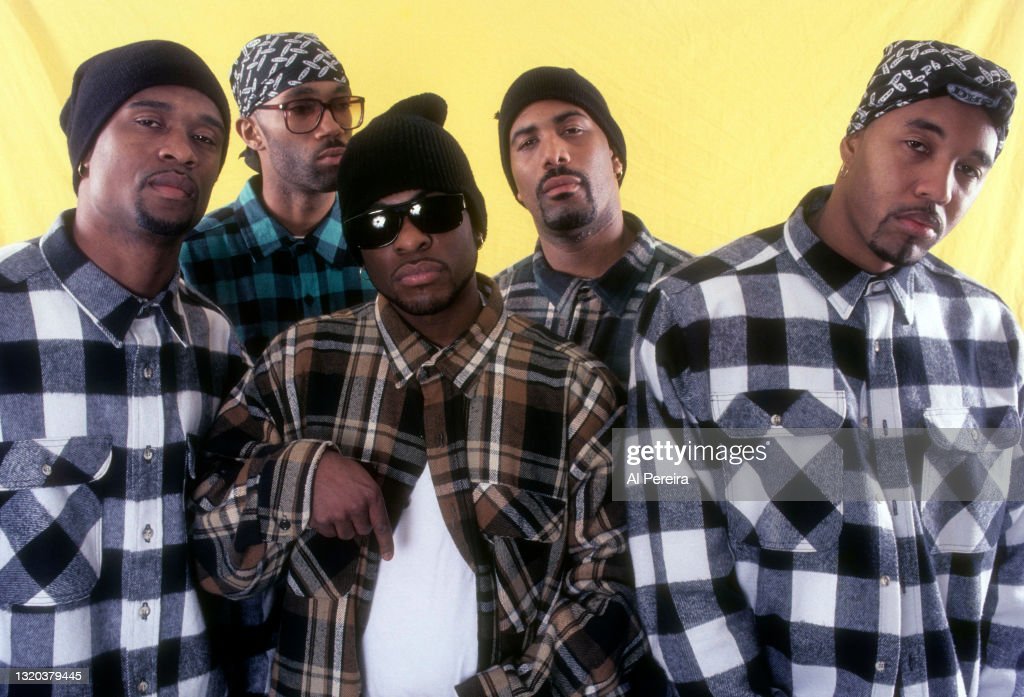
Not only is this a representation of how the upward-flow theory plays out, but it also shows the influence of the famous on individuals. This is justified by the timelessness of the apparel through the 2000s.
The Modern Day Flannel Style
It is now 2022 and flannels are still going strong. It has been a robust article of clothing that is easily buildable and accessible.
It can be buttoned up, unbuttoned, layered with denim, over athleisure… the possibilities are endless. They are also wearable in just about any season if it is styled correctly. On a college campus, I see male students wearing them anywhere from the gym to going on a date. It is all in the way that the consumer chooses to style it.
Something interesting about the flannel trend is how those in higher classes are now claiming the trend to be theirs. In reference to a Glamour article, “Color-coordinated flannel, pioneered by Kendall Jenner.” accompanies a photo of Jenner wearing her flannel.
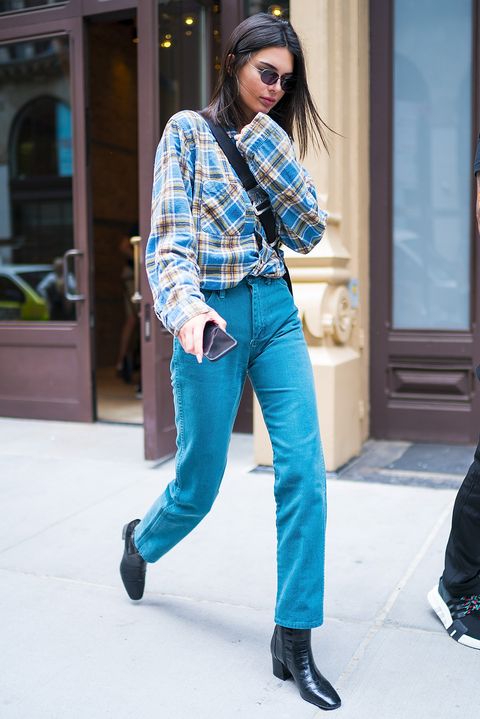
The keyword here is pioneered; however, flannels have been a part of the working class’s lifestyle since the 1600s. It just so happens that yet again, what the celebrities bring to the media is what becomes a trend that takes over the youth’s fashion sense.
Hailie Barber, an influencer, spoke to Vogue about the revival of flannels “A lot of key pieces of that style have become a closet staple for millennials and Gen Z. We all still have our denim jackets, Docs, oversized flannels, and fishnets in our closet. Which speaks to the longevity of the trend and how it plays off of different eras in fashion like ’90s grunge.” (Poggi, 2022) https://www.vogue.com/article/2014-tumblr-girl-aesthetic
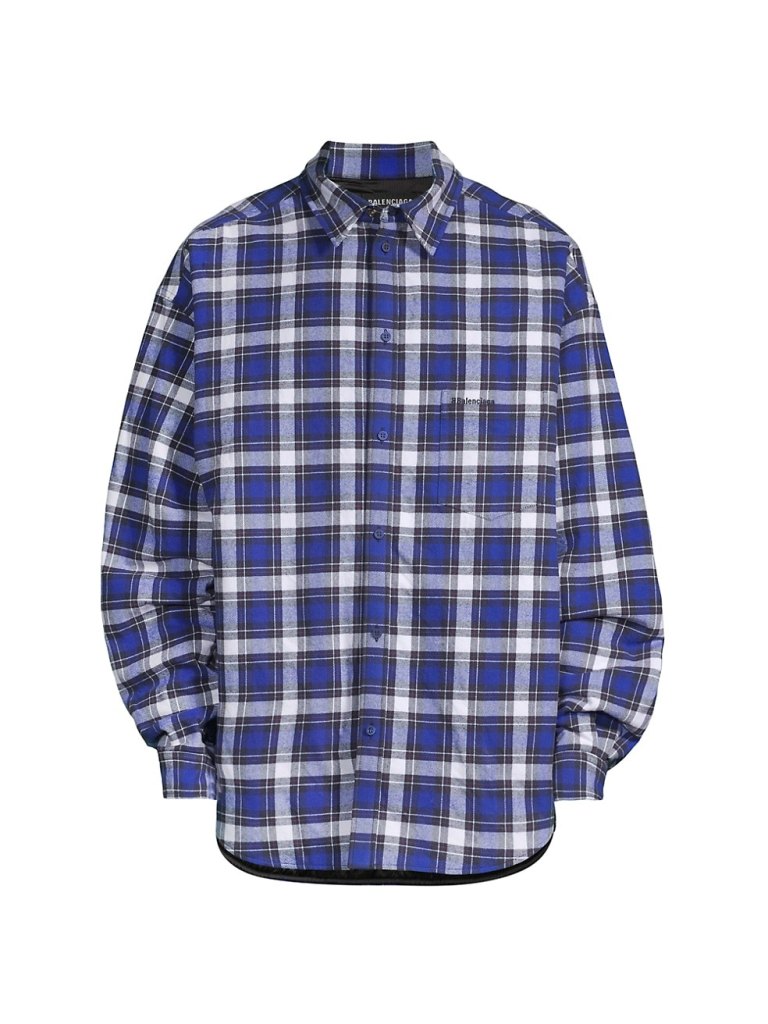
Also, it should not be a surprise that luxury brands are taking advantage of the clothing that never goes out of style. What used to be an affordable clothing article, has been marked up by designers like Balenciaga, who charge their consumers $1,550 for a flannel shirt.
This seems like a pretty classic flannel to me, but hey if it has a designer tag than it has to be better than the others. Now, it can symbolize the working class in a different: that they worked to make enough money to be able to afford a luxury flannel
Lands’ End shared an article as to why flannels are always going to be a wardrobe staple. It touched on the fact that it blends classic and modern looks which could be dressed up or down. Also, it is a piece of apparel that can be worn by the whole family. Both men and women can look equally as stylish and can add it on top of their kid’s jackets to top off their look.
Predictions in the Fashion World
Forecasting fashion trends has become very difficult. With inflations and lack of incomes during the pandemic, consumers may have to go back to the hand-me-downs and pick out pieces from their old style trends. The younger generations dictate the success of trends and contribute a generous amount to fashion styling. Gen Z dominates social media trends so if the generation collectively makes it a trend then it has a high chance of moving up the social hierarchy. Fashion is a quick changing market that never has a singular direction. Retailers must become comfortable with figuring out what the working class families can afford and if the higher classes will hop on their bandwagon. Not only is the flannel style trend a representation of up-ward flow theory, but it a great way to show how fashion is recurring- that elements of fashion always make its way back in reinvented ways.
References
Bowe, T. (2022, August 29). The History of Flannel. Retrieved from https://www.gearpatrol.com/style/a106991/history-flannel/
Glamour. (2020, January 27). Yes, You Can Wear Flannel During Every Season. Retrieved from https://www.glamour.com/story/how-to-wear-a-flannel
Guide to Flannel: Explore the Look, Feel, and History of Flannel – 2022. (n.d.). Retrieved from https://www.masterclass.com/articles/guide-to-flannel
Pereira, A. (n.d.). Hip-Hop group DRS appear in a portrait taken on December 10, 1993 in… Retrieved from https://www.gettyimages.com/detail/news-photo/hip-hop-group-drs-appear-in-a-portrait-taken-on-december-10-news-photo/1320379445?adppopup=true
Poggi, Maria Santa. “The 2014 Tumblr Girl Is Back.” Vogue, Vogue, 2 Jan. 2022, http://www.vogue.com/article/2014-tumblr-girl-aesthetic.
Why a Flannel Shirt Will Always Be a Wardrobe Staple. (n.d.). Retrieved from https://www.landsend.com/article/flannel-shirtds-will-always-be-wardrobe-staples/
 Gabriella Marinelli