

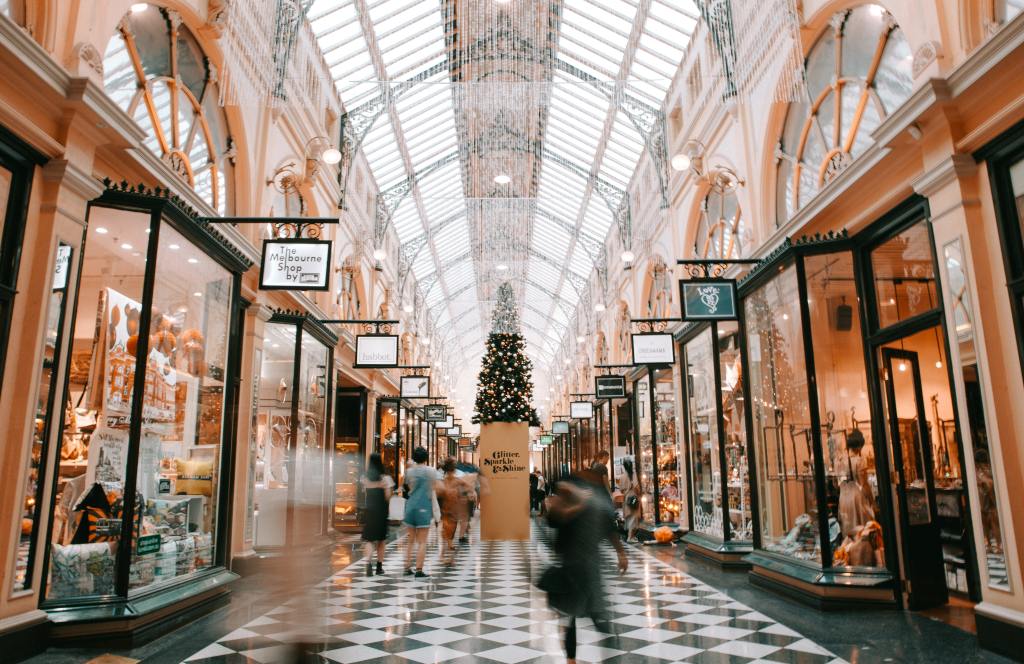
You better be spot on with your gifts this season, because retailers have changed their fine print this holiday season, which runs from November 1st to December 24th. Returns time frames have gotten smaller and retailers have added shipping fees for mailed returns. Prices are increasing for both the consumer and retailers. What retailers are making these changes and why?
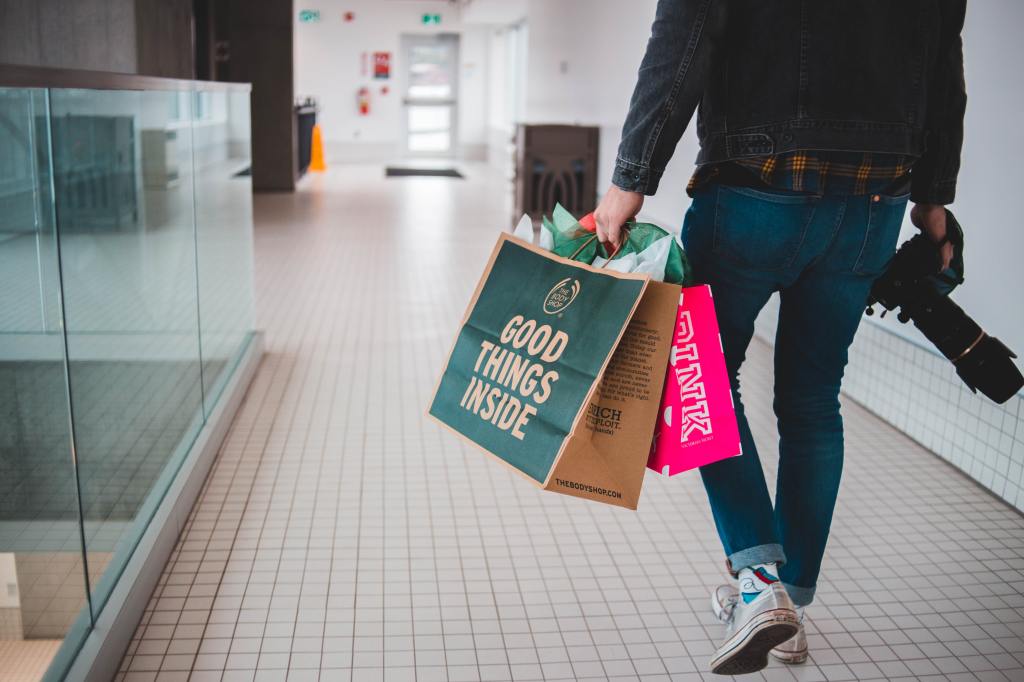
How do we define retailers?
Retail stores operate either in-person, online, or both. Retailers are stores that sell goods or services to consumers. These can range from grocery stores, to merchandise stores, specialty stores, and non-store retailers. You may recognize retailers as: Walmart, Amazon, Costco, Apple, and Macy’s.
According to Oberlo, “Total retail sales worldwide in 2022 are expected to come in at $29 trillion—a 4.7 percent annual increase.”
Retail sales are an indicator of the condition of our economy. This is the environment where consumers’ purchasing journey is put to the test and decide which brand they want to invest in.
“A robust economy correlates to an increase in consumers’ disposable income, increasing sales and allowing retailers to sell more valuable goods, such as high-end electronics. On the other hand, a sluggish economy decreases consumer confidence and can cause people to spend less, leading to declining sales and forcing retailers to lower prices.”
Treadwell, 2019
Some factors that can affect the purchasing power of consumers are taxation, inflation, and economic laws.
In Recent Years…

Post-pandemic, consumers are still turning to online shopping to take care of their holiday necessities. Mastercard SpendingPulse shared last December that there is an 8.5% year-after-year increase rate for retail sales during the holiday season. In 2020, Christmas raked up $777.3b in sales in the US alone (National Retail Federation, 2022). Holiday shopping starts way before Thanksgiving and many consumers start before November. There are a few perks to getting a little head start:
- to spread out the budget
- to avoid last minute shopping stress
- to avoid crowds
- good prices and promotions
- to avoid missing out on specific items
Also, with the rise of ecommerce shopping, delivery is a big deal. In 2021, 85% of consumers confirmed that free shipping is a top priority (Djordjevic, 2022). Those same consumers would be upset to see how this year has changed.
Changes to this year’s stats
Holiday sales are forecasted to make over $900b in sales according to the National Retail Federation. In person sales seem to be looking up because consumers are going out to shop again after the pandemic. This also helps to avoid any shipping costs, if there are any. Retailers like Walmart, Target, and Kohl’s lead as the top places to shop this holiday season.
Walmart specifically started “Black Friday Deals For Days” which has Black Friday sales every Monday of November. This lured in consumers who were looking for great deals and early into the holiday season so they get all of their gifts on time.
Amazon is also a leading retailer for the holiday season; however, consumers do not get the opportunity to shop there in person. They started their sales on October 11th and 12th, which got their consumers into the holiday spirit fairly early.
Companies who made the change
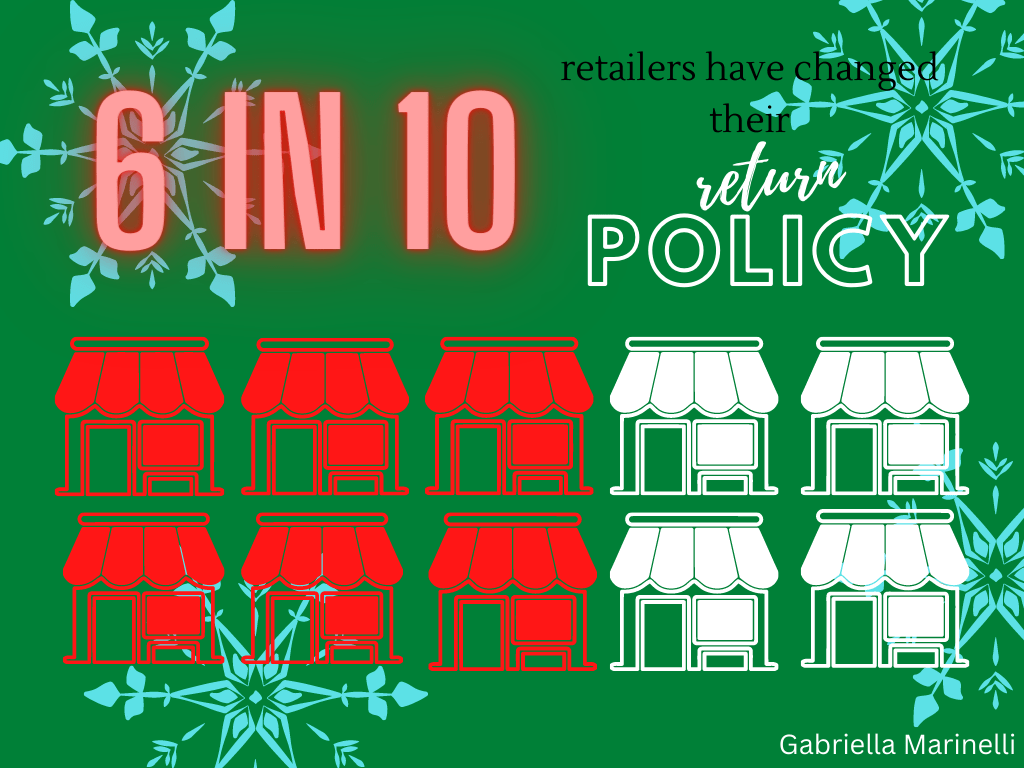
This holiday season, 6 in 10 retailers changed their returns policy to shorten their time frame for returns and charge shipping fees.
Above, I had mentioned that consumers look for free shipping during this buying season; however, they will be bummed to know that they will be charged for any mail in returns. Gap’s companies such as Old Navy and Banana Republic shortened their return time frame to 30 days in the holiday season, as opposed to 60 days.
USA Today’s article states “Among 300 retailers surveyed this year, 36% said they do not offer free shipping on returns, double the number that refused to cover those costs last year, according to Inmar Intelligence, a data and technology solutions company focused on manufacturers, brands and healthcare companies” (Jones, 2022).
A problem arose during the pandemic that has affected the income of retailers. Bracket Buying is when a consumer buys multiple sizes and/or colors of a specific item, choose one, and then send the rest back to the retailer. This automatically increases the rate of returns. This was during a time retailers gave free shipping and returns; however, it costed them as the retailers a lot of money. CBS News shared “The returns from online shopping last year created 5 billion tons of landfill waste and produced as much carbon dioxide as from 3 million cars driving for one year” (Ivanova, 2020). Retailers also might throw out the returns that consumers make, adding more trash to the environment.
For more about Bracket Buying, check out this article:
Some Retailers Haven’t Changed From Past Holiday Seasons

- 90 day return policy
- Holiday returns until January 31, 2023
- Holiday returns until January 31, 2023
- Return package to Kohl’s
- 90 days to make a return
- Store credit with no receipt
- One full year to return
- Mastercard members get free shipping on returns
- Returns until January 22, 2023
What does the future of retail during the holidays look like?
Retailers are trying to get consumers to return to shopping in person, and these are some efforts to get them back. Inflation really affected consumers this holiday season and the uncertainty of the economy may cause this to roll over into next year.
What consumers can hope for is that retailers will gain back the money they lost from free shipping and returns so they can get promotions again.
This holiday season, and ones to come, it is important for consumers to pay close attention to online reviews and be confident in their gift giving so they can avoided added costs for themselves and retailers in the end.
References:
Cramer-Flood, E. (2022, August 2). Worldwide ecommerce growth drops to single digits, while overall retail muddles through. Insider Intelligence. Retrieved December 13, 2022, from https://www.insiderintelligence.com/content/worldwide-ecommerce-growth-drops-single-digits-while-overall-retail-muddles-through
Djordjevic, M. (2022, October 14). 22 free shipping statistics to help skyrocket your business in 2022. SaveMyCent. Retrieved December 13, 2022, from https://savemycent.com/free-shipping-statistics/
Gaubys, J. (n.d.). Total retail sales worldwide (2020–2026) [Oct 2022 update]. Oberlo. Retrieved December 13, 2022, from https://www.oberlo.com/statistics/total-retail-sales#:~:text=Total%20retail%20sales%20worldwide%20in,%2424.7%20trillion%20to%20%2427.7%20trillion.
Hartmans, A. (n.d.). Over 60% of people who shop online are ‘bracketing’ their online purchases – and it’s creating a logistical nightmare for retailers. Business Insider. Retrieved December 13, 2022, from https://www.businessinsider.com/bracketing-online-shopping-downsides-explained-2021-11
Hartmans, A. (n.d.). Over 60% of people who shop online are ‘bracketing’ their online purchases – and it’s creating a logistical nightmare for retailers. Business Insider. Retrieved December 13, 2022, from https://www.businessinsider.com/bracketing-online-shopping-downsides-explained-2021-11
Ivanova, I. (2020, December 7). Those holiday returns come with a massive environmental footprint. CBS News. Retrieved December 13, 2022, from https://www.cbsnews.com/news/holiday-returns-evironmental-costs-shipping/
Jones, C. (2022, December 12). Don’t wait on returns. many stores will have a stricter return policy this holiday season. USA Today. Retrieved December 13, 2022, from https://www.usatoday.com/story/money/2022/12/12/holiday-shopping-return-policy-less-time-higher-fees/10844106002/
Mastercard Data & Services. (2022, October 25). SpendingPulse™. Mastercard Data & Services. Retrieved December 13, 2022, from https://www.mastercardservices.com/en/solutions/data-networks/spendingpulse
Treadwell, L. (2019, January 31). The role of macro environment in the retail industry. Small Business – Chron.com. Retrieved December 13, 2022, from https://smallbusiness.chron.com/role-macro-environment-retail-industry-33419.html
Winter holidays. NRF. (n.d.). Retrieved December 13, 2022, from https://nrf.com/research-insights/holiday-data-and-trends/winter-holidays
 Gabriella Marinelli